










We are Grey Water Treatment Plant Manufacturer, Supplier & Exporters from India, Asia. Specialist in Package Type, Prefabricated, Pre-engineered Domestic Sewage Treatment Plants ranging from 07 KLPD �€“ 90KLPD with Green Building Sustainable ADAO Technology.
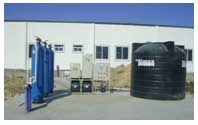
Gray water is water that has been used for washing dishes, laundering clothes, or bathing. Essentially, any water, other than toilet wastes, draining from a household is Greywater. Although this used water may contain grease, food particles, hair, and any number of other impurities, it may still be suitable for reuse. Reusing Greywater serves two purposes: it reduces the amount of freshwater needed to supply a household, and reduces the amount of waste water entering sewer or septic systems.

Uses of Treated Greywater
Subsurface applications,
Irrigation,
Surface applications
Irrigation
Toilet flushing,
Water features
Cooling water,
Concrete water
Fire sprinklers,
But nearly any non-contact use is a possibility.
Grey water characteristics versus Black Water :
CONTACT US

Email : solution@chemtronicsindia.com
Phone : +91-22-4006 9933
Mr. Sunil Shah : +91- 932 123 4527
Connect with us on :